Thinking about El Cerrito and wondering what day-to-day life actually feels like? If you want an East Bay city that blends mature residential streets, practical transit options, and easy access to parks and open space, El Cerrito stands out for how much it packs into a small footprint. Here’s a clear look at what you can expect, from neighborhood character to commuting, weekend routines, and the local feel that sets it apart. Let’s dive in.
El Cerrito at a glance
El Cerrito is a compact city of about 3.7 square miles in Contra Costa County. Even with that smaller size, official city information points to two BART stations, numerous AC Transit bus lines, and convenient access to Interstate 80 and 580.
That combination shapes daily life in a big way. You get a city that feels connected to the rest of the East Bay and beyond, while still offering a more neighborhood-focused experience than larger nearby cities.
Neighborhood feel in El Cerrito
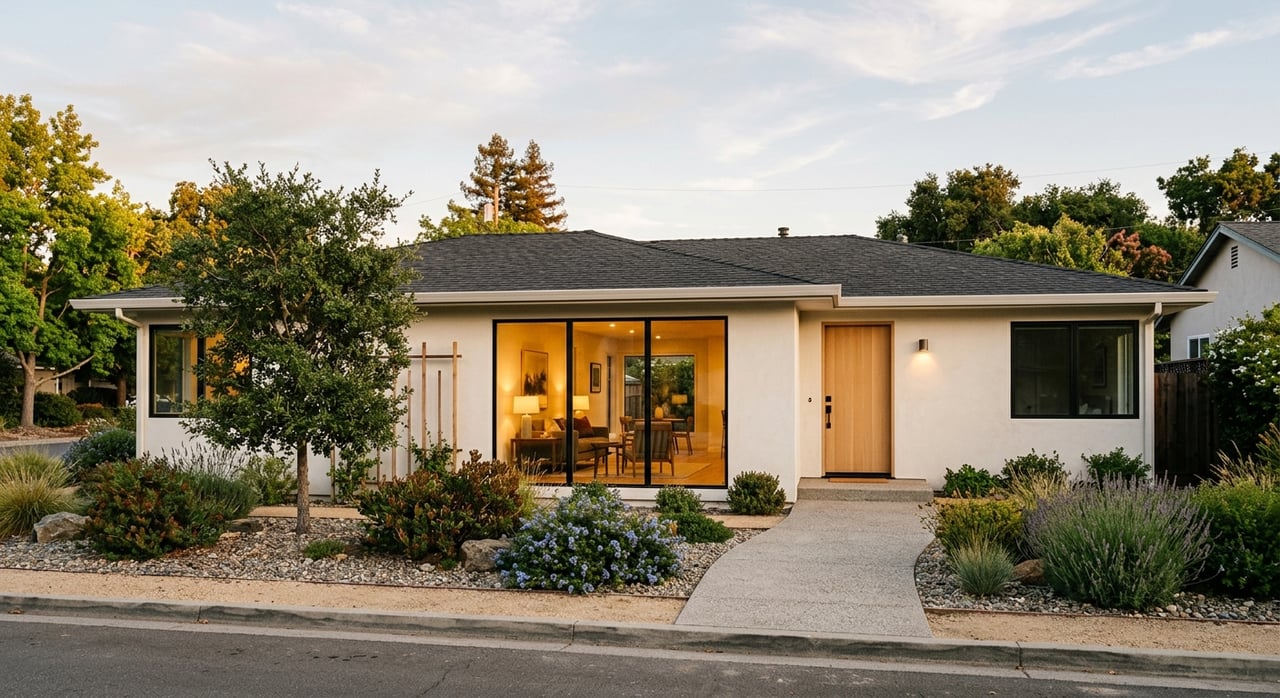
One of the first things you may notice about El Cerrito is that it feels established. This is not a place defined by large new subdivisions. City planning documents describe a built-out community with layered residential areas, commercial corridors, transit nodes, and hillside districts.
That layering gives El Cerrito a distinct rhythm. Instead of one dominant downtown, different parts of the city serve different everyday needs, which can make the city feel practical and lived-in.
East side neighborhoods
The city’s general plan describes the east side as having traditional grid neighborhoods, relatively small lots, and a mix of housing types. As you move farther east, streets are generally lower density and often quieter.
For many buyers, this part of El Cerrito feels especially residential in character. It tends to fit people who want neighborhood streets and a more settled day-to-day setting.
San Pablo Avenue and BART corridor
West of the BART tracks and along San Pablo Avenue, the city has more intense housing and commercial activity. This is where you’ll find more of the corridor-style retail and transit-oriented activity that supports everyday errands and commuting.
If you like having services, transit, and shopping more directly tied into your routine, these areas can feel especially convenient. The tradeoff is a busier environment compared with quieter residential streets farther east.
Hillside areas and Bay views
In the hillside sections, streets tend to curve with the terrain. The city says these areas often include larger homes and broader views of the Bay and beyond.
That topography creates a different feel from the flatter parts of town. You may find a stronger sense of separation, more elevation, and a closer relationship to open space.
Getting around El Cerrito
Transit is one of El Cerrito’s defining lifestyle features. For many people, that is a major part of the city’s appeal.
El Cerrito has two BART stations: El Cerrito Plaza and El Cerrito del Norte. Both are on the Richmond to Berryessa/North San Jose and Richmond to Millbrae/SFIA lines, which makes regional travel more straightforward for many East Bay residents.
BART and bus access
El Cerrito Plaza serves southern El Cerrito, northern Albany, Kensington, and nearby parts of Berkeley and Richmond. El Cerrito del Norte serves the northern part of the city.
In addition to BART, the city highlights numerous AC Transit bus lines. That gives you more than one way to move through the East Bay without relying only on a car.
Freeway convenience
If you drive regularly, El Cerrito also offers easy access to I-80 and I-580. That matters for people whose routines include cross-Bay trips, regional travel, or errands spread across multiple East Bay communities.
In practical terms, El Cerrito is both transit-connected and freeway-accessible. That flexibility is a big reason many buyers keep it on their shortlist.
The Ohlone Greenway
The Ohlone Greenway adds another useful layer to getting around. It is a 2.7-mile multi-use trail that runs under the elevated BART tracks from the south to the north city limits.
According to the city, it connects both El Cerrito BART stations to trail networks in El Cerrito, Richmond, Albany, and Berkeley. It also links to AC Transit bus stops, schools, and community facilities, which makes it part recreation space and part daily connector.
Parks and outdoor life
Outdoor access is a meaningful part of living in El Cerrito. City sources describe a park system that includes 16 city parks, one greenway, two special-use open spaces, and 15 recreation buildings.
That amount of public space matters in a compact, built-out city. It gives residents room to walk, play, gather, and spend time outside without needing to leave town.
Hillside Natural Area
One of the standout open-space features is the Hillside Natural Area. The city describes it as a 165-acre open space with trails, oak woodlands, grasslands, and views that can include the San Francisco and Oakland skylines, the Golden Gate Bridge, Mount Tamalpais, and the Bay.
If you want quick access to trails and scenic views, this is a major local asset. It adds a natural counterbalance to the city’s denser residential and transit-oriented areas.
Everyday recreation
El Cerrito’s park facilities support a wide range of everyday activities. City information lists Arlington Park, Castro Park, Cerrito Vista, Hillside Natural Area, Bruce King Memorial Dog Park, tennis courts, pickleball courts, sports fields, picnic rentals, and a community center.
That mix helps make weekends simpler. Instead of planning a long drive for outdoor time, you may find that a walk, a trail outing, a game, or a park visit is already close at hand.
Schools and daily routines
For buyers who are thinking about everyday logistics, local school and civic patterns are part of the picture. West Contra Costa Unified School District serves El Cerrito, and district information says it covers more than 29,000 students across 54 schools.
Official school pages identify Fairmont Elementary, Harding Elementary, Madera Elementary, Korematsu Middle School, and El Cerrito High School as local options in town. As always, if schools are important to your move, it is smart to confirm attendance and enrollment details directly with the district.
One small but telling detail is that Fairmont Elementary notes it sits next to the El Cerrito library. That kind of overlap between school, civic, and neighborhood uses helps illustrate how daily life in El Cerrito can feel connected and practical.
Shopping and dining in El Cerrito
El Cerrito’s dining and shopping pattern is more corridor-based than downtown-centered. Much of it is concentrated along San Pablo Avenue and around the BART stations.
The city’s San Pablo Avenue Specific Plan describes the corridor as a multimodal place for living, working, and community life, with local businesses, public open space, and improved walking and biking conditions. That points to a local environment built around convenience and access rather than a single traditional main street.
What the retail layout feels like
The general plan notes that neighborhood retail centers can include restaurants, banks, and convenience retail. It also describes Del Norte as having a more regional, big-box character, while El Cerrito Plaza is positioned for mixed-use, transit-oriented redevelopment.
For you, that may mean daily errands feel easy and spread across multiple nodes rather than concentrated in one central district. Some buyers love that flexibility, while others prefer a more classic downtown format.
How El Cerrito compares nearby
A lot of buyers considering El Cerrito are also looking at nearby East Bay cities. The differences are not just about price or housing stock. They are also about how each place functions day to day.
El Cerrito vs. Albany
Compared with Albany, El Cerrito tends to feel less like a single compact main-street town. Albany describes Solano Avenue as its primary pedestrian-friendly neighborhood commercial district, while El Cerrito functions more like a corridor city with two transit nodes.
If you prefer a city organized around multiple access points and transit anchors, El Cerrito may feel like the better fit. If you want a more singular commercial spine, Albany may feel different in a noticeable way.
El Cerrito vs. Berkeley
Compared with Berkeley, El Cerrito is generally smaller-scale and more residential. Berkeley’s planning framework emphasizes a pedestrian-friendly, transit-oriented downtown, and the city has a larger parks system overall.
El Cerrito still offers strong transit and open-space assets, but on a more compact footprint. For some buyers, that means an easier-to-navigate, more neighborhood-centered feel.
El Cerrito vs. Richmond
Compared with Richmond, El Cerrito often feels more neighborhood-scaled and less shaped by industrial or port activity. Richmond’s official overview emphasizes the Port of Richmond, extensive shoreline, and its role as a regional transportation and cargo hub.
That contrast can matter if you are looking for a residential environment that still stays well connected. El Cerrito sits in a useful middle ground for many East Bay buyers.
Who El Cerrito tends to fit best
Based on the city’s land use, transit network, and open-space profile, El Cerrito can be a strong fit if you want mature neighborhoods, nearby parks, and practical commute options. It may also appeal to you if you like the idea of occasional Bay views without committing to a more urban downtown lifestyle.
In other words, El Cerrito tends to work well for buyers who want balance. You get access, structure, and convenience, along with a residential setting that still feels grounded in neighborhood life.
If you’re considering a move in El Cerrito or anywhere nearby in the East Bay, the right guidance can make it much easier to compare locations, understand micro-neighborhood differences, and make a confident plan. The Chris Clark Team can help you evaluate where El Cerrito fits into your next move.
FAQs
What is El Cerrito like for commuting?
- El Cerrito offers two BART stations, numerous AC Transit bus lines, and easy access to I-80 and I-580, which makes it both transit-connected and convenient for drivers.
What is the neighborhood feel in El Cerrito?
- El Cerrito generally feels like a mature, built-out residential city with quieter neighborhoods to the east, more active commercial and transit areas along San Pablo Avenue and the BART corridor, and hillside districts with broader Bay views.
What parks and outdoor spaces are in El Cerrito?
- City sources say El Cerrito has 16 city parks, one greenway, two special-use open spaces, and 15 recreation buildings, plus the 165-acre Hillside Natural Area with trails and sweeping views.
What schools serve El Cerrito?
- West Contra Costa Unified School District serves El Cerrito, and official school pages identify Fairmont Elementary, Harding Elementary, Madera Elementary, Korematsu Middle School, and El Cerrito High School as local options.
What is shopping and dining like in El Cerrito?
- Shopping and dining are largely concentrated along San Pablo Avenue and around the BART stations, with a mix of neighborhood-serving businesses, regional retail areas, and transit-oriented commercial nodes.