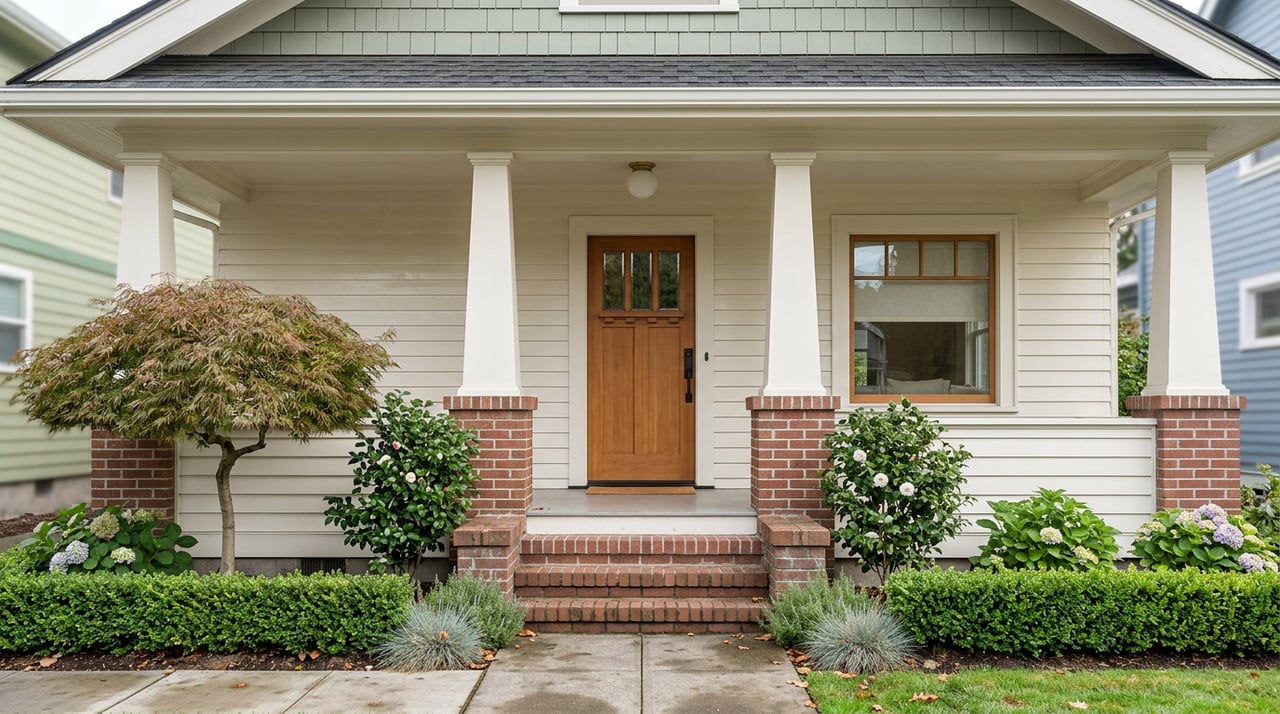
Victorian turrets on tree‑lined streets. Storybook Craftsman porches a short bike ride from the beach. If you’re drawn to Alameda’s historic homes, you’re not alone. Buying one can be incredibly rewarding, but it also comes with rules, inspections, and costs that are different from newer properties. In this guide, you’ll learn how Alameda defines “historic,” what permits you may need, the seismic and insurance realities to plan for, and a step‑by‑step checklist to buy with confidence. Let’s dive in.
What “historic” means in Alameda
Alameda is known for its preserved architecture, with thousands of pre‑war houses across the island. The City adopted a Historic Preservation Ordinance in 1975 and maintains both a Historic Monuments List and a Historical Buildings Study List. You can review how Alameda manages these resources on the City’s Historic Preservation page. The page explains when standard building permits are enough and when Planning review is required for historic properties and older structures.
According to the City, exterior changes and major alterations to certain older homes may require a separate Certificate of Approval through Planning. Demolition or substantial alteration of buildings constructed before 1942 can also trigger review, including projects that remove a significant portion of a structure’s value. If you plan to remodel, factor in extra time for review and approvals. You can find the process and contact details on the City’s Historic Preservation page at the link below.
When you need city approval
Some projects go beyond a simple building permit. Expect Planning review for:
- Alterations to City Historic Monuments or contributing structures in designated districts.
- Demolition or major alterations of structures built before 1942.
- Visible exterior changes that affect character‑defining features like windows, porches, or façade materials.
The Historical Advisory Board may hold a public hearing for certain applications. Early coordination with Planning helps set a realistic timeline and avoids re‑design later.
A flexible code path for historic homes
For locally listed historic resources, the State Historical Building Code can sometimes be used as an alternative to standard building code requirements. It is not a blanket waiver. Instead, it’s a preservation‑oriented path you and your design team can propose to the City to meet safety objectives while protecting historic features. Work with your architect, contractor, and the City Building Official early to determine whether the SHBC applies to your project.
- Learn more about Alameda’s preservation framework on the City’s Historic Preservation page: City of Alameda Historic Preservation
- Read about the alternative code path: California Historical Building Code
Seismic realities and retrofit options
Alameda is an island city near major Bay Area faults, and many pre‑war homes predate modern seismic standards. The City’s hazard assessment documents known vulnerabilities in older wood‑frame houses, including unbolted foundations, cripple‑wall weaknesses, and garage‑under living spaces that create a soft‑story condition. The report also tracks the city’s inventory of soft‑story buildings and retrofit progress, and it underlines why retrofit status can affect safety, insurance, and sometimes lending.
- See the City’s detailed hazard assessment and soft‑story inventory: Alameda Earthquake Risk Assessment, Appendix E
Grants and incentives to watch
Alameda participates in statewide mitigation programs. A recent pilot for owner‑occupied single‑family homes with a single living story over a garage opened registration through the California Residential Mitigation Program. If you’re considering a home with a garage‑under layout, this can be a meaningful offset for engineering and construction costs, subject to eligibility and selection.
- Check current program status here: ESS Homeowner Registration
Typical retrofit scope and ballpark costs
Every house is different, but common retrofit measures for Alameda’s older homes include:
- Foundation bolting and cripple‑wall bracing with plywood shear panels and hold‑downs.
- Steel moment frames or engineered shear walls for garage‑under conditions.
- Chimney bracing and gas line safety upgrades.
For a basic brace‑and‑bolt on a typical wood‑frame home, regional guides often cite costs in the thousands rather than tens of thousands, depending on size and access. Always consult a licensed structural engineer and get multiple contractor bids before budgeting. For a general sense of costs for brace‑and‑bolt work, see this summary: Earthquake retrofit cost guide.
Common inspection findings in Alameda’s pre‑war homes
Understanding the likely inspection items helps you write a stronger offer and avoid surprises during escrow.
Electrical systems
It is common to find knob‑and‑tube wiring, outdated fuse panels, or older panel brands in historic homes. Insurers often flag knob‑and‑tube or unsafe panels, which can affect coverage and premiums. If your general inspector notes legacy wiring, follow up with a licensed electrician. Learn how insurers view older systems here: Insurance considerations for old homes.
Lead and asbestos
Most pre‑1978 homes can contain lead‑based paint. Federal rules require that remodels in pre‑1978 homes follow the EPA’s Renovation, Repair and Painting program. If you plan interior work, budget for lead testing and hire RRP‑certified contractors. Review the EPA program here: EPA Lead RRP Program.
Asbestos can also be present in older floor tiles, pipe wrap, or ceiling textures. In California, significant asbestos removal typically requires licensed abatement contractors and specialized disposal, which can add cost to a remodel. If an inspector flags suspect materials, test before any demolition.
Termites and dry‑rot
Wood‑destroying organisms are common in older wood homes. Many lenders may require a termite inspection and clearance if the appraiser or lender flags concerns. Plan for treatment or repairs to appear on inspection addenda in some loan scenarios.
Foundations, soils, and utilities
Parts of Alameda are on bay fill and mapped as having liquefaction susceptibility, which raises the risk of settlement during a major quake. If a property sits in a mapped zone, consider a structural or geotechnical evaluation. You can view an overview here: USGS liquefaction hazard map for Alameda.
Private sewer laterals are often a homeowner responsibility in East Bay cities. Alameda participates in the regional East Bay program that requires testing and compliance certificates in certain scenarios. Before closing, request recent test results or budget for a camera scope. Learn more here: East Bay PSL program FAQs.
Coastal climate maintenance
Salt air can accelerate corrosion of metal fasteners, exterior railings, and HVAC units. Historic wood siding and decorative trim benefit from consistent paint cycles and marine‑grade fasteners near the water. Build a proactive maintenance plan into your long‑term budget.
Insurance and lending: what to plan for
Home insurance on older systems
Insurers underwrite historic homes differently. Knob‑and‑tube wiring, older panels, or unreinforced chimneys can lead to higher premiums, conditional coverages, or even declinations until repairs are complete. Get quotes early from multiple agents and ask what updates, inspections, or certifications the carrier will require to bind coverage. For context on how carriers approach old homes, see: Insurance considerations for old homes.
Earthquake and flood coverage
Most California earthquake policies are sold through participating insurers working with the California Earthquake Authority. Price an earthquake quote early and ask about premium credits for completed retrofits.
Flood zones matter in an island city. Lenders require flood insurance for properties in Special Flood Hazard Areas. Before you write an offer, check the property’s current designation on FEMA’s Map Service Center: FEMA Flood Map Service Center.
Policy features to request
- Replacement‑cost coverage, not just market value.
- Ordinance or Law coverage for code‑required upgrades during a rebuild.
- Extended or guaranteed replacement options where available.
- Builders risk coverage during major renovations.
Lending on historic homes
Government‑backed loans like FHA and VA have minimum property standards. If an appraiser or underwriter finds unsafe electrical, active termite damage, or habitability issues, you may need repairs or clearances prior to funding. If you plan to use these loan types, build time for potential repair negotiations into your offer strategy.
Your Alameda due diligence checklist
Use this quick checklist to size up a historic home and move forward with confidence.
- Verify historic status
- Search the City’s resources to see if the property is a listed Historic Monument, on the Historical Buildings Study List, or in a designated district. If unsure, call Planning for confirmation. Start here: City of Alameda Historic Preservation
- Order targeted inspections
- General home inspection for a full baseline.
- Licensed electrician evaluation if legacy wiring or old panels are present.
- Termite inspection and follow‑up repairs if required by lender.
- Sewer lateral camera scope and ask for any compliance certificates: East Bay PSL program FAQs
- Structural engineer review for garage‑under or cripple‑wall conditions. For local seismic risks and soft‑story context, see: Alameda Earthquake Risk Assessment, Appendix E
- Lead testing and EPA‑compliant work practices for pre‑1978 paint: EPA Lead RRP Program
- Check hazard maps
- Review FEMA flood maps and USGS liquefaction maps to understand insurance and foundation risk. Start with FEMA’s portal: FEMA Flood Map Service Center and the USGS overview: USGS liquefaction hazard map for Alameda.
- Confirm permits and approvals
- Ask the seller for building permits and any Certificates of Approval. If you plan exterior work, discuss your concept with Planning early to understand whether a Certificate of Approval is needed: City of Alameda Historic Preservation
- Get early insurance quotes
- Price home, earthquake, and flood coverage before you write an offer. Ask what updates your insurer will require to bind coverage and whether retrofit credits are available.
- Explore seismic funding options
- If your target home has a garage‑under layout, review grant opportunities that may offset retrofit costs: ESS Homeowner Registration
Balancing preservation and lifestyle
Historic homes shine when you pair thoughtful updates with respect for original character. If you’re planning visible exterior changes, budget extra design time to align with preservation standards and to navigate the Certificate of Approval process if required. Interiors often offer more flexibility, and in some cases the State Historical Building Code can help you keep unique features while meeting safety goals. For properties at Alameda Point within the former Naval Air Station area, consult the district’s published preservation guidance before you draft renovation plans.
Local groups like the Alameda Architectural Preservation Society and the Alameda Museum are great for historic context and contractor referrals. Their tours, archives, and case studies can help you plan a sensitive update that also performs well in our coastal climate.
Ready to find a historic home that fits your budget, timeline, and lifestyle? Let’s craft a buying plan that respects the home’s story and protects your investment. Reach out to the Chris Clark Team to start the conversation.
FAQs
What makes a home “historic” in Alameda?
- Alameda maintains a Historic Monuments List and a Historical Buildings Study List, and certain exterior changes or major alterations to pre‑1942 homes can require a Certificate of Approval through Planning.
Do I need approval to replace windows on a historic home?
- If the home is a designated resource or in a historic district, visible exterior changes like window replacements may trigger Planning review and possibly a Historical Advisory Board hearing, so contact the City early.
How much does an earthquake retrofit cost for an older home?
- Costs vary by size and scope; a basic brace‑and‑bolt can run in the thousands, while engineered soft‑story solutions are higher. Always get a structural engineer’s plan and multiple bids.
Will knob‑and‑tube wiring affect my homeowners insurance?
- Many insurers flag legacy wiring and older panels, which can mean higher premiums or conditional coverage until updates are complete, so get quotes and carrier requirements early in your process.
Is flood insurance required for Alameda properties?
- If a home sits in a Special Flood Hazard Area on FEMA’s maps, lenders require flood insurance, so check the address on the FEMA Map Service Center before you write an offer.
What inspections are must‑dos for pre‑war Alameda homes?
- In addition to a general inspection, prioritize electrical, termite, sewer lateral, and structural evaluations, plus lead testing if you plan to disturb painted surfaces during renovations.