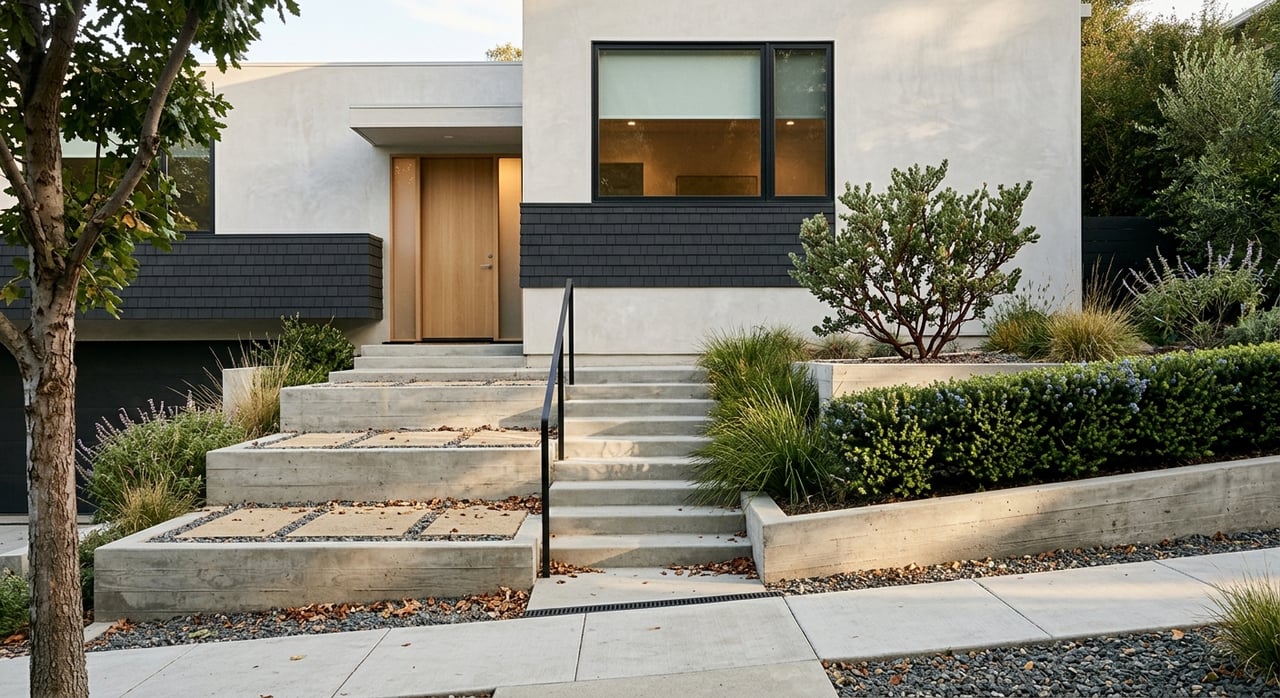
Trying to choose between the Berkeley Hills and the flats? You are not alone. Many buyers start with a simple idea that the hills mean views and the flats mean convenience, but the real decision is more nuanced. If you are weighing lifestyle, budget, access, and long-term upkeep, this guide will help you compare the tradeoffs with more clarity. Let’s dive in.
Berkeley price differences
If you are comparing the Berkeley Hills to flatter parts of Berkeley, price is often the first big divider. In late February 2026, Zillow neighborhood data for Berkeley Hills showed typical home values around $1.63 million, compared with about $1.35 million for Berkeley overall.
That premium tells part of the story, but not all of it. Zillow also showed flatter Berkeley areas like Northwest Berkeley at about $994,000, Southwest Berkeley at about $998,000, and North Berkeley at about $1.25 million. At the same time, areas like Elmwood and Claremont were above the city average, which is a good reminder that the “flats” are not one single price tier.
Inventory matters too. The same Zillow snapshot showed only 5 listings in Berkeley Hills versus 76 citywide, which suggests buyers in the hills may have fewer choices at any given moment. In practical terms, that can mean more compromise on lot shape, street position, or the exact view line you want.
Housing style and lot patterns
Hills homes feel land-shaped
The Berkeley Hills are defined by steep topography, and that shapes the homes you will see there. According to a City of Berkeley planning document, streets in the Hillside Overlay are often narrow, with steep slopes, sharp curves, and acute corners, and many are less than 26 feet wide.
That physical setting often creates homes that feel more custom and more site-specific. Berkeley Architectural Heritage notes that historic hillside homes in North Berkeley often used unpainted shingles, steep roofs, and siting that responded directly to the landscape.
For you as a buyer, that can translate into more architectural character, more varied floor plans, and a stronger relationship to the setting. It can also mean more stairs, more irregular lots, and homes that require a closer look at access, drainage, and usable outdoor space.
Flats offer more variety
In flatter parts of Berkeley, the pattern is usually more compact and urban. The South Shattuck Strategic Plan describes areas with single-family bungalows and shingle homes alongside small to medium apartment buildings.
That mixed housing stock gives buyers a wider range of options. Depending on where you look, you may find condos, smaller single-family homes, multi-unit properties, and neighborhoods with more predictable lot shapes and street grids.
The city also notes that Berkeley’s newer middle housing rules apply to most residential areas but do not apply in the high fire hazard areas of the Berkeley Hills. That is another signal that flatter areas generally offer more redevelopment flexibility than hillside areas.
Daily living and commute patterns
Flats support car-light living
If your goal is to walk more and drive less, the flats usually have the edge. Downtown Berkeley BART is located on Shattuck Avenue near UC Berkeley and close to shops, restaurants, theaters, and other destinations, while North Berkeley and Ashby stations expand transit access across the city.
The city’s Southside improvements also emphasize protected bikeways, transit-only lanes, and access to multiple AC Transit lines. For many buyers, that means flatter and more central Berkeley neighborhoods make everyday errands, commuting, and social plans easier without depending as much on a car.
Hills trade access for setting
The Berkeley Hills offer a different daily experience. The same City of Berkeley hillside planning document says transit in the Hillside Overlay generally does not meet the definition of a major transit stop or high-quality transit corridor, and AC Transit service there often runs at 30-minute headways or longer, with limited evening, weekend, and holiday service.
That does not make the hills a poor choice. It just means you are often trading transit convenience for scenic streets, privacy, and a more tucked-away residential feel. If you work from home or do not mind driving more often, that trade may feel well worth it.
Risk and maintenance differences
Wildfire matters in the hills
One of the biggest practical differences between the hills and the flats is wildfire exposure. The City of Berkeley’s wildfire risk information says CAL FIRE identifies Berkeley’s eastern border zones as fire hazard severity areas because of their proximity to wildlands.
In the city’s materials, Fire Zones 2 and 3 in the hills include 8,603 parcels and 32,109 residents. The city is also working on the Grizzly Peak Vegetation Management Project to reduce fire risk and improve evacuation routes, and it offers home-hardening tax rebates for qualifying properties in high and very high hazard zones.
For you as a buyer, that means wildfire readiness should be part of the search from day one. It is wise to evaluate defensible space, exterior materials, ongoing vegetation management, and how evacuation routes function from a specific address.
Hills can have added site concerns
Wildfire is not the only environmental factor in the hills. The city’s 2024 Local Hazard Mitigation Plan update notes that the Berkeley Hills can be warmer than the rest of the city due to thermal belting, and poor air quality can concentrate there during a marine layer inversion.
The same city materials also note that rainfall-triggered landslides are a concern in parts of the Berkeley Hills, especially in areas with deeper existing slide conditions. If you are considering a steeper lot, retaining walls, or drainage-sensitive conditions, those details deserve careful review.
Flats have a different climate feel
Berkeley’s flatter areas near the bay often feel cooler and damper, with fog more likely in lower-lying locations. That is best understood as a general climate tendency, not a rule for every street, but it can still affect how a home feels day to day.
Some buyers prefer the warmer hillside microclimate. Others like the cooler feel closer to the flats. It is one more example of how your best fit depends on your priorities, not just the map.
Which buyers fit each area?
Hills may fit you if you want:
- Views and a scenic setting
- More privacy from nearby homes
- Distinctive architecture shaped by the land
- A quieter, more tucked-away feel
- A home search where setting matters more than transit convenience
If that sounds like you, it is also important to be realistic about the added responsibilities. Hillside ownership can involve more attention to access, maintenance, wildfire hardening, and evacuation planning.
Flats may fit you if you want:
- Better walkability for daily errands
- Stronger transit and bike access
- A wider mix of housing types and price points
- Easier day-to-day logistics
- More flexibility if you want a more urban neighborhood pattern
The flats can be especially appealing if you value convenience and want more options during your search. They also offer a broader mix of entry points, even though some flat neighborhoods still command premium pricing.
The real choice is your tradeoff
The most helpful way to think about Berkeley Hills versus flats is not which one is “better.” It is which tradeoffs matter most to you. Some buyers are happiest when they can walk to transit and daily needs. Others are willing to give up that convenience for views, privacy, and architecture that feels more connected to the landscape.
When we help buyers compare Berkeley neighborhoods, we focus on how a home supports your actual day-to-day life, your budget, and your comfort with long-term upkeep. If you want guidance sorting through Berkeley’s micro-markets and identifying the right fit, the Chris Clark Team is here to help you make a confident move.
FAQs
What is the main difference between Berkeley Hills and Berkeley flats for homebuyers?
- The biggest differences are usually price, transit access, topography, and environmental risk. The hills often offer more views, privacy, and distinctive homes, while the flats often offer better walkability, transit, and a wider mix of housing options.
Are Berkeley Hills homes always more expensive than homes in the flats?
- No. Berkeley Hills home values were above the city average in the Zillow data cited here, but some flatter Berkeley neighborhoods, including Elmwood and Claremont, were also above the city average.
Is public transit better in the Berkeley flats than in the Berkeley Hills?
- Yes. The flats are generally closer to BART and stronger bus service, while the city says hillside transit often runs less frequently and does not generally qualify as major transit access.
What risks should buyers consider when buying in the Berkeley Hills?
- Buyers should pay close attention to wildfire exposure, defensible space, evacuation planning, and in some locations, drainage and landslide concerns tied to steeper terrain.
Are Berkeley flats better for buyers who want to rely less on a car?
- In many cases, yes. Flatter and more central Berkeley neighborhoods are generally better positioned for walking, biking, and transit use in daily life.
How should you decide between Berkeley Hills and flats?
- Start with your real priorities: budget, commute, walkability, home style, privacy, maintenance tolerance, and comfort with environmental risk. That tradeoff analysis usually leads to a clearer answer than broad labels alone.