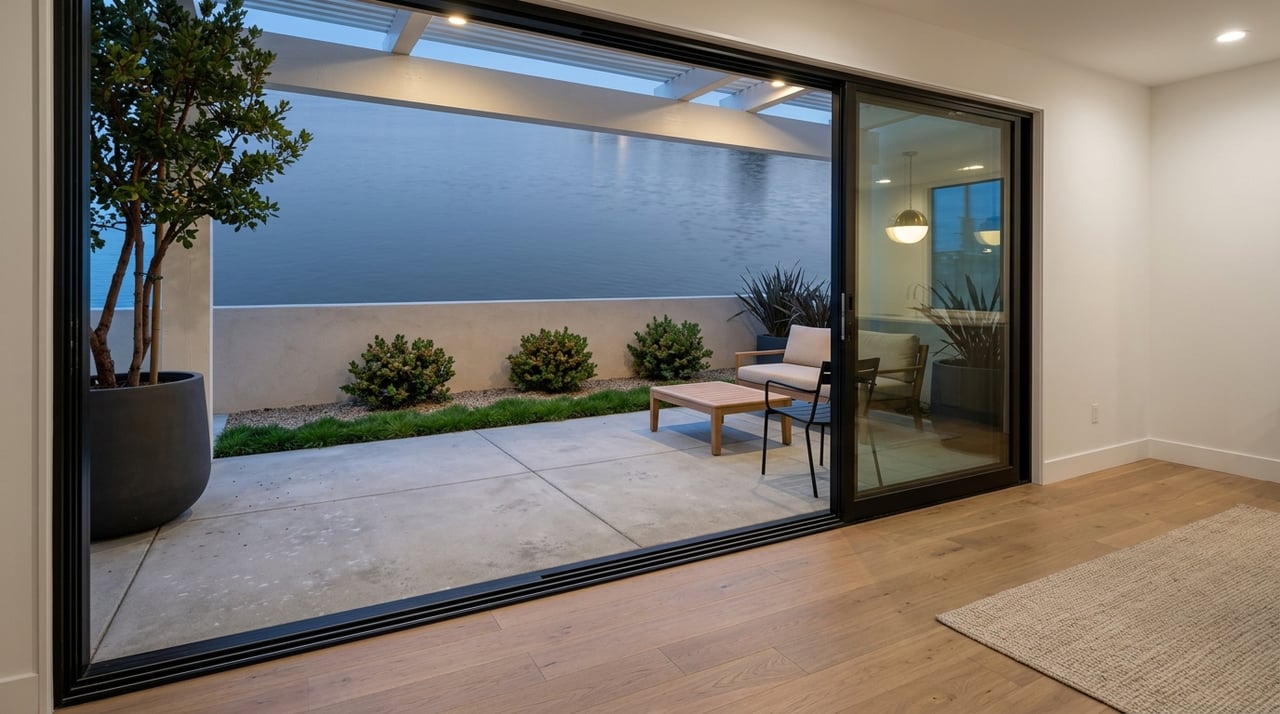
If you are drawn to Alameda for the water, you are not alone. Waterfront and lagoon living here can feel appealing for obvious reasons: Bay views, breezes, trails, beach access, and a daily rhythm shaped by the shoreline. But if you are thinking about buying or selling in these areas, it helps to understand how Alameda’s waterfront is actually laid out, what daily life feels like, and what practical issues matter most. Let’s dive in.
Alameda waterfront areas at a glance
Alameda’s waterfront identity is not just one setting. It is a combination of lagoon neighborhoods, Bay-facing parks and beaches, and shoreline redevelopment areas that each offer a different experience.
The South Shore Lagoon system is one of the most distinctive residential waterfront features in Alameda. According to the City of Alameda, this five-part lagoon chain runs from Westline Drive to Court Street, stretches about two miles, covers roughly 50 acres, and was built in the late 1950s and early 1960s as part of shoreline fill that added single-family homes, some multifamily buildings, and a few commercial properties. The lagoons are supplied with Bay water and maintained for storm drainage, water quality, and aesthetics, with birds also forming part of the setting.
Bay Farm Island offers another shoreline context. The city highlights Shoreline Park as a major public waterfront space with San Francisco skyline views, and local planning efforts show that this edge of Alameda is already part of long-term shoreline adaptation work.
Alameda Point adds a different waterfront feel. In that area, the city is building out public-facing shoreline amenities around Seaplane Lagoon, including a promenade designed to improve public access and respond to future sea level rise.
South Shore lagoon living explained
For many buyers, the lagoons are what first come to mind when they think about Alameda waterfront living. These areas tend to combine residential streets with water-facing outlooks and a setting that feels shaped by both neighborhood design and shoreline infrastructure.
What makes the lagoons unique is that they are not simply ornamental water features. The city notes that they are part of a managed system that supports storm drainage, water quality, and aesthetics. That means lagoon living comes with visual appeal, but also with a practical civic function built into the landscape.
The housing mix around the broader South Shore waterfront is not one-size-fits-all. Based on the city’s descriptions, you can expect a blend of detached homes, some multifamily housing, and nearby commercial uses rather than a fully uniform housing pattern.
Waterfront lifestyle in Alameda
If you want a shoreline lifestyle that feels active and accessible, Alameda stands out. Much of the city’s public waterfront experience is built around beaches, trails, launches, promenades, and transit connections rather than a private, isolated shoreline environment.
One of the biggest amenities is Robert W. Crown Memorial State Beach, which offers 2.5 miles of shoreline. East Bay Regional Park District notes activities there include swimming, jogging, birdwatching, fishing, sunbathing, and windsurfing, while Crab Cove provides an educational entry point to the shoreline.
The same East Bay Parks resource notes that Encinal Beach opened with 1,700 feet of Bay Trail frontage and shoreline access. For many residents, that means casual outdoor time can be part of everyday life, whether you want a morning walk, a shoreline run, or a place to watch the light change over the Bay.
Boating and water access
Water access is not just visual in Alameda. It is part of the city’s public recreation system.
The Encinal Boat Launch Facility serves boaters, paddlers, and sailors with a public ramp, dock, and kayak laydown pad. The Alameda Police Department’s Marine Patrol Unit also patrols local waterways, enforces boating laws, performs vessel inspections, and supports search and rescue activity.
That matters if you are trying to understand whether boating culture is a real part of daily life here. In Alameda, it is supported by actual public infrastructure, not just marketing language.
Waterfront movement without a car
Another practical lifestyle perk is the Oakland-Alameda Water Shuttle. The shuttle links Alameda Landing and Jack London Square, runs on a regular schedule, and allows bicycles.
At Alameda Point, Seaplane Lagoon Promenade adds another layer to the public waterfront experience. The city describes tiered seating and a lower promenade that is intended to flood as sea level rises, showing how recreation and long-term shoreline planning are being combined in one space.
What the weather feels like
Alameda’s waterfront appeal is also tied to its climate. NOAA data for Alameda’s former naval air station lists an average annual temperature of 60.6°F and a frost depth of 0, which supports the idea of a mild coastal environment.
For day-to-day living, that usually translates to moderation rather than extremes. Because these neighborhoods sit directly on San Francisco Bay, it is reasonable to expect more Bay air, wind, and cool influence than you would typically feel in farther-inland East Bay areas.
If you love the idea of breezes, changing light, and a milder year-round feel, that can be a real advantage. If you prefer hotter inland conditions, it is worth spending time in the area at different times of day so you know how the microclimate feels to you.
Practical issues buyers should weigh
Waterfront and lagoon living can be beautiful, but it also comes with a different set of due-diligence questions. In Alameda, flood exposure, insurance, and shoreline planning deserve close attention.
The City of Alameda says that more than 2,000 Alameda properties were mapped by FEMA within the 100-year flood zone, and the city’s floodplain information points residents to the official FEMA Flood Map Service Center resources for checking flood maps. If you are considering a lagoon or waterfront property, flood-zone status should be one of the first items you verify.
Flood insurance is also a separate consideration. According to FloodSmart.gov, standard homeowners and renters policies generally do not cover flood damage, and homes in high-risk flood areas with government-backed mortgages are required to carry flood insurance.
For buyers, that means your research should include more than just taxes, HOA costs, and a standard homeowners insurance quote. You also want to understand whether flood insurance may apply and how that affects your overall monthly cost of ownership.
Shoreline adaptation is already underway
A helpful thing to know is that Alameda is not ignoring these issues. The city is actively planning around shoreline resilience.
The South Shore Adaptation Project is aimed at addressing coastal flooding and sea level rise while improving beaches, marsh areas, eelgrass beds, Bay Trail access, drainage, and water quality. On Bay Farm Island, the city has also identified areas where the shoreline is a current entry point for coastal flooding during a 100-year event and is targeting floodplain reduction and erosion control.
For homeowners and buyers, this is important context. It shows that waterfront living in Alameda includes both amenity value and ongoing public investment in shoreline management.
What kinds of homes you will find
One of the most useful things to understand is that Alameda’s waterfront housing stock is varied. You are not looking at a single housing type repeated from one end of the shoreline to the other.
The city’s background on the South Shore lagoons references original development that included single-family homes, some multifamily structures, and a few commercial properties. More recent waterfront development also expands that mix.
For example, Alameda Landing’s Bay 37 is described by the city as including single-family homes, flats-style condos, and townhome-style condos. Alameda Point is described as a mixed-use area with residential, open space, recreational, and retail uses.
In practical terms, that means you can find:
- Detached single-family homes
- Condos and flats-style residences
- Townhome-style properties
- Apartments and multifamily housing
- Mixed-use waterfront redevelopment areas
That variety can be a real plus if you want options. It also means your search strategy should reflect the specific waterfront setting you care about most, whether that is lagoon adjacency, beach access, Bay views, or proximity to public open space.
Is Alameda waterfront living right for you?
If you value outdoor access, public shoreline amenities, and a mild Bay-influenced setting, Alameda offers a lot to like. The combination of lagoons, beaches, parks, boat access, and waterfront transit gives the city a daily rhythm that feels closely tied to the water.
At the same time, smart decision-making matters here. Buyers should look carefully at flood maps, insurance needs, housing type, and how each shoreline area functions in real life. Sellers can also benefit from understanding how to position these features clearly, because not every buyer interprets “waterfront” the same way.
If you are thinking about buying or selling near Alameda’s waterfront or lagoon neighborhoods, the right local guidance can help you weigh lifestyle appeal against practical details. The Chris Clark Team can help you evaluate location, property type, and market positioning with a clear, data-informed approach.
FAQs
What is the South Shore Lagoon system in Alameda?
- The South Shore Lagoon system is a five-part chain running from Westline Drive to Court Street, built in the late 1950s and early 1960s, covering about two miles and roughly 50 acres according to the City of Alameda.
Where can you access the waterfront in Alameda?
- Main public shoreline access points include Crown Memorial State Beach, Encinal Beach, Shoreline Park on Bay Farm Island, and Seaplane Lagoon at Alameda Point.
Is boating part of daily life in Alameda?
- Yes. Alameda supports boating and paddling through the public Encinal Boat Launch Facility, and the city’s Marine Patrol Unit actively patrols local waterways.
Do Alameda waterfront homes need flood insurance?
- Some may. The City of Alameda says many local properties are within the FEMA 100-year flood zone, and FloodSmart notes that standard homeowners insurance generally does not cover flood damage.
What types of homes are common near Alameda’s waterfront?
- Alameda’s waterfront includes a mix of single-family homes, condos, townhomes, apartments, multifamily properties, and mixed-use redevelopment areas.
What does Alameda waterfront weather usually feel like?
- Alameda generally has a mild coastal feel, with Bay breezes, moderate temperatures, and less emphasis on extreme heat than farther-inland East Bay locations.